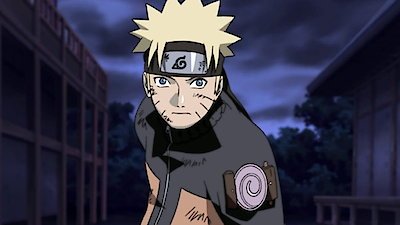
The worlds of anime are vast, diverse, and filled with iconic characters who embody unique philosophies and incredible ambitions. So, it's no wonder that fans often love to cross-pollinate these universes, sparking fascinating "what if" scenarios. Among the most intriguing discussions in recent memory is the hypothetical question: "What if Naruto Uzumaki was in Blue Lock?"
This isn't just a whimsical thought experiment; it's a deep dive into contrasting ideologies, leadership styles, and the very definition of what it takes to be the best. While Naruto Uzumaki, the world-renowned Seventh Hokage, obviously doesn't exist within the cutthroat, ego-driven confines of Japan's radical football training facility, analyzing his character through Blue Lock's lens offers profound insights into both series. We're here to unpack this fascinating premise, exploring the monumental differences and surprising parallels that emerge when the spirit of the Hidden Leaf meets the ruthless pursuit of the world's greatest striker.
Unpacking the Intriguing Question: Naruto Uzumaki in Blue Lock?
At its heart, Blue Lock is a revolutionary, almost brutal, response to Japan's football failures. Following their dismal performance in the 2018 FIFA World Cup, the Japanese Football Union, under the guidance of the eccentric coach Ego Jinpachi, sought to forge a new breed of striker. His philosophy is clear: "destroy Japanese loser football" by cultivating the world's most egotistical, self-centered, and goal-hungry forwards. Three hundred young strikers are isolated in a prison-like institution, forced to compete against each other, with only one emerging as Japan's ultimate weapon.
Naruto Uzumaki, on the other hand, hails from a world where teamwork, sacrifice, and protecting one's comrades are paramount. His journey to becoming Hokage was paved with relentless effort, unwavering belief in his friends, and an innate desire to connect with others. This fundamental clash of principles is precisely what makes the "Naruto in Blue Lock" question so compelling. It forces us to confront what truly drives greatness – is it pure ego, or can collective strength and an unbreakable spirit lead to individual brilliance?
The Clash of Ideologies: Egoism vs. Nindō
Blue Lock's entire foundation rests on the concept of egoism. Ego Jinpachi believes that true strikers must be selfish, willing to take all the glory, and possess an insatiable hunger for goals that supersedes all else. They must see their teammates as tools to achieve their personal glory, not as equals in a shared endeavor. It's a philosophy designed to break down conventional notions of "team play" and replace them with a primal, individualistic drive.
Naruto's personal philosophy, his "Nindō" (ninja way), is almost a direct antithesis. His journey is defined by overcoming adversity through perseverance, forging unbreakable bonds of friendship, and ultimately, protecting everyone important to him. He often prioritizes his comrades' well-being over personal accolades, and his greatest triumphs often come from the combined efforts of his allies. To delve deeper into how these two core beliefs stack up against each other, you'll want to explore our detailed comparison of Naruto's Nindō versus Blue Lock's egoism.
Naruto's Strengths & Weaknesses Through a Blue Lock Lens
If we were to hypothetically drop Naruto into the Blue Lock facility, how would his innate character traits manifest? Would he thrive, or would he fundamentally resist the system?
Unwavering Drive and Relentless Pursuit of a Goal
One undeniable parallel between Naruto and Blue Lock's ideal striker is an absolutely relentless drive. Naruto's ambition to become Hokage, despite being an outcast with no discernible talent, mirrors the fierce determination required of Blue Lock players striving to be the best in the world. His ability to never give up, even in the face of overwhelming odds, is a trait highly valued in Blue Lock's grueling environment. He possesses incredible resilience and an ability to push beyond his limits, traits that any elite athlete needs.
The "Teamwork" Conundrum
This is where Naruto's character faces its biggest challenge within the Blue Lock framework. His inherent belief in teamwork and his tendency to empower and support his friends directly contradict Ego's teachings. Isagi Yoichi, one of Blue Lock's protagonists, begins his journey regretting a pass to a teammate rather than taking a shot himself – a situation Naruto would likely have approached very differently. How would Naruto navigate a setting where helping others is seen as a weakness, and selfish ambition is the only path to success? Understanding this conflict is key, and you can learn more about how Naruto's teamwork philosophy would fare in Blue Lock's competitive structure.
Would Naruto Even Be Invited? Understanding Blue Lock's Selection Criteria
Blue Lock isn't just looking for any talented striker; they're looking for a very specific type of striker. The initial invitation criteria focused on high school forwards who showed potential, but more importantly, a spark of egoism or a fundamental dissatisfaction with "loser football." Isagi's invitation came precisely because he regretted his selfless pass.
Considering Naruto's backstory as a young, aspiring ninja, would he even catch Ego Jinpachi's eye? While his unwavering drive is striker-like, his early actions often emphasized protection and saving others rather than scoring individual glory. To truly grasp this conundrum, you'll benefit from our detailed breakdown of Blue Lock's entry requirements and selection process. It paints a clear picture of what Ego is looking for, and whether Naruto's character aligns.
The Path Not Taken: A Hypothetical Naruto Striker in Blue Lock
Let's imagine, for a moment, that Naruto was somehow forced into Blue Lock. How would he evolve? Would his natural empathy be crushed, or would he find a way to merge his nindō with a uniquely "Naruto-esque" form of egoism? Perhaps his desire to protect and lift others would manifest as a terrifyingly effective striker, one who "devours" opponents not for personal glory alone, but to ensure his "team" (even if temporary) survives.
Could his drive to be acknowledged and reach the top (Hokage/world's best striker) push him to adapt Blue Lock's methods without fully compromising his core? Exploring these tantalizing possibilities gives us a fascinating glimpse into the kind of striker Naruto Uzumaki might become within Blue Lock's confines.
Leadership Beyond the Field: Naruto's Impact on Blue Lock Players
Naruto's charisma and ability to inspire others are legendary. He has a unique talent for turning enemies into allies and uniting disparate individuals under a common cause. In Blue Lock's hyper-individualistic environment, where players are actively encouraged to view each other as rivals to be overcome, Naruto's presence could be profoundly disruptive – or revolutionary.
Would his unwavering belief in connection inadvertently foster teamwork where Ego Jinpachi sought to destroy it? Could he, perhaps, unintentionally create a more potent, albeit unusual, "team" within Blue Lock, one driven by a collective ambition that still respects individual brilliance? Understanding this dynamic offers a unique perspective on how Naruto's leadership style would influence the cutthroat world of Blue Lock.
Bridging Worlds of Willpower
The hypothetical scenario of Naruto Uzumaki in Blue Lock is far more than just fan fiction; it's a compelling thought experiment that highlights the core tenets of both beloved series. It pushes us to consider different paths to greatness, contrasting the raw, destructive power of egoism with the inspiring, unifying force of unwavering spirit and human connection. While their methodologies are starkly different, both Naruto and Blue Lock ultimately explore the incredible willpower, ambition, and relentless drive required to reach the pinnacle of one's chosen field. It's a testament to the enduring power of character and conviction, regardless of the world they inhabit.